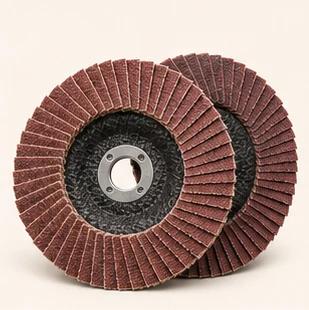
For separating material, look for a cutting-off wheel approved for that material and machine. For stock removal, choose a wheel designed for grinding. Do not use a cutting-only disc for side grinding.
Write the specification before opening a listing
Make a short note of the machine model, wheel diameter, bore or mounting arrangement, material and intended operation. Read the machine manual rather than copying the dimensions from an old disc that may itself have been the wrong choice. A product title that says only ‘metal disc’ is not enough information to make a decision. The exact wheel should carry the identification and application information you need.
Treat machine compatibility as a pass-or-fail check
Norton’s technical guidance stresses observing the wheel’s maximum permissible speed. Check the accessory’s marked speed against the machine’s requirements, as well as the guard, mounting method and permitted application. Never assume that a wheel is suitable simply because it can be physically attached. Follow the manufacturer’s instructions and use appropriate training and protective equipment; this guide is a buying checklist, not operating instruction.
Separate pack value from suitability
First eliminate unsuitable products. Only then compare the cost per disc, delivery charge and number you will realistically use. A mixed pack may look economical but include sizes or wheel types you do not need. For occasional use, a smaller, clearly identified pack can be easier to store, inspect and keep with its instructions than a large unlabelled assortment. Keep the original packaging and observe any storage and use-by information.
Check what the seller is actually offering
Product photographs sometimes show a range rather than the exact variant selected. Check the selected size, wheel type, quantity and material suitability in the written specification. If the title and images disagree, ask the seller for clarification or choose a better-documented listing. Never make your own compatibility assumptions to fill gaps in a listing. For safety-critical accessories, documentation is part of the product’s value.
A sensible final comparison
Put the remaining candidates side by side: correct application, dimensions, speed rating, manufacturer information, condition and pack quantity. A product that passes all of those checks is worth considering; a vague bargain is not. Inspect delivered items and stop if the markings or condition do not match what you ordered. Buying correctly is the first stage of the job, not a substitute for following the machine and wheel instructions.
Quick comparison
| Need | Check before buying |
|---|---|
| Separate metal | Cutting-off application and specified material |
| Remove material | Grinding application and compatible machine |
| Fit the machine | Diameter, bore, mounting and guard requirements |
| Compare value | Correctly specified discs per pack, not mixed-pack headline count |
Your pre-purchase check
- Machine manual checked
- Application and material confirmed
- Dimensions, mounting and speed compatible
- Pack contents and seller documentation clear
READY TO EXPLORE OPTIONS?
Check the exact product with the retailer.
Use the search as a starting point. Confirm the variant, seller, specification, price and delivery before buying.
Ad — Amazon affiliate link. We earn commission from qualifying purchases.
Search Amazon UKAd — Amazon affiliate links. We earn commission from qualifying purchases. How our links work.
Sources & scope
Sources checked 25 October 2026. Technical points are linked above; the comparison framework and purchase checklist are our editorial guidance. This is a desk-researched article, not a hands-on product test. Follow current manufacturer instructions and seek competent advice for unfamiliar or safety-critical work.
How we prepare our guides ↗