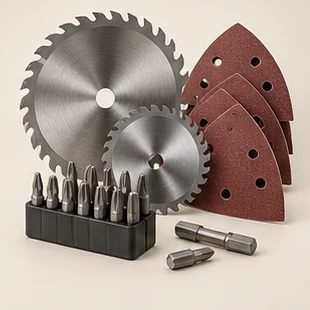
Choose a tool documented for the task and compare the complete setup: compatible power supply, accessories, guarding, dust control and kit contents.
Define the task before the platform
Record the material, operation and capacity required. Use the manufacturer's specifications to distinguish tools that look similar but are intended for different operations. HSE's tool-selection guidance emphasises suitability for the work and conditions, and considers factors such as weight and efficiency. Its workplace guidance is useful context, but this article is not a workplace risk assessment or a substitute for the manufacturer's operating instructions.
Check the exact battery system
A matching voltage number is not sufficient evidence that a battery, charger and tool are compatible. Record the actual system and model references, and confirm the combination in the manufacturer's documentation. Bosch's POWER FOR ALL information describes compatibility within that named system; it is not a statement that every battery with the same voltage fits every tool. Check any restrictions affecting the chosen combination before placing the order.
Compare like-for-like kits
Make a contents list for each offer: tool model, batteries, charger, case and accessories. Establish whether an image shows optional extras and whether the selected variant is supplied without a battery. Record the cost of compatible missing items before comparing totals. If you already own a suitable platform, a bare tool may be worth considering, but verify your exact existing equipment rather than relying on a familiar brand name.
Include the application setup
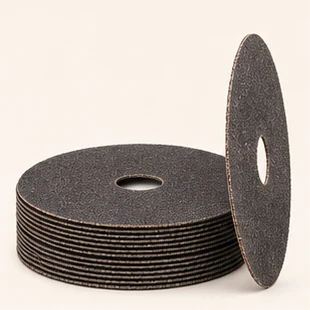
Check the tool's accessory interface and the permitted dimensions and applications. Consider the documented guarding and extraction arrangements alongside the tool itself. Review noise and vibration information when choosing between tools capable of the job. HSE's battery-tool research cautions against assuming that a cordless design automatically has lower noise or vibration. Buying an accessory separately does not establish that it is compatible or appropriate; verify the combination in current documentation.
Check support and delivery details
Confirm the seller, selected model, supplied plug or charger format and warranty conditions. Read the instructions before use and inspect the delivered contents against the order. A capable tool still needs the right accessories, appropriate training and safe working arrangements. Where your project is unfamiliar or safety-critical, obtain competent advice before buying around an assumption. Use the catalogue searches to find candidates, then make the final decision from the exact documented product offer.
Quick comparison
| Comparison | What to check |
|---|---|
| Task | Material, operation and required capacity |
| Cordless system | Exact tool, battery and charger compatibility |
| Kit contents | Included items and cost of missing essentials |
| Setup | Accessories, guarding, extraction and instructions |
Your pre-purchase check
- Intended application confirmed
- Battery and charger combination verified
- Selected kit contents recorded
- Compatible accessories and controls considered
- Seller and support terms checked
READY TO EXPLORE OPTIONS?
Check the exact product with the retailer.
Use the search as a starting point. Confirm the variant, seller, specification, price and delivery before buying.
Ad — Amazon affiliate link. We earn commission from qualifying purchases.
Search Amazon UKAd — Amazon affiliate links. We earn commission from qualifying purchases. How our links work.
Sources & scope
- HSE: selecting suitable power tools ↗
- Bosch DIY: the named POWER FOR ALL battery system ↗
- HSE: battery-tool noise and vibration research ↗
Sources checked 25 October 2026. Technical points are linked above; the comparison framework and purchase checklist are our editorial guidance. This is a desk-researched article, not a hands-on product test. Follow current manufacturer instructions and seek competent advice for unfamiliar or safety-critical work.
How we prepare our guides ↗